 Zodiazi
Tiger and Monkey
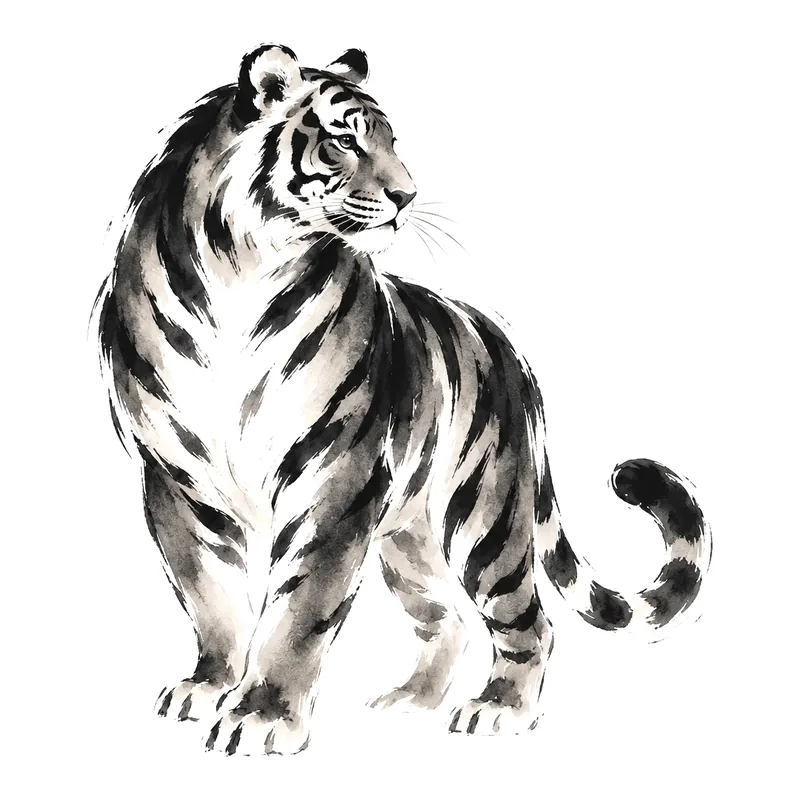 Tiger
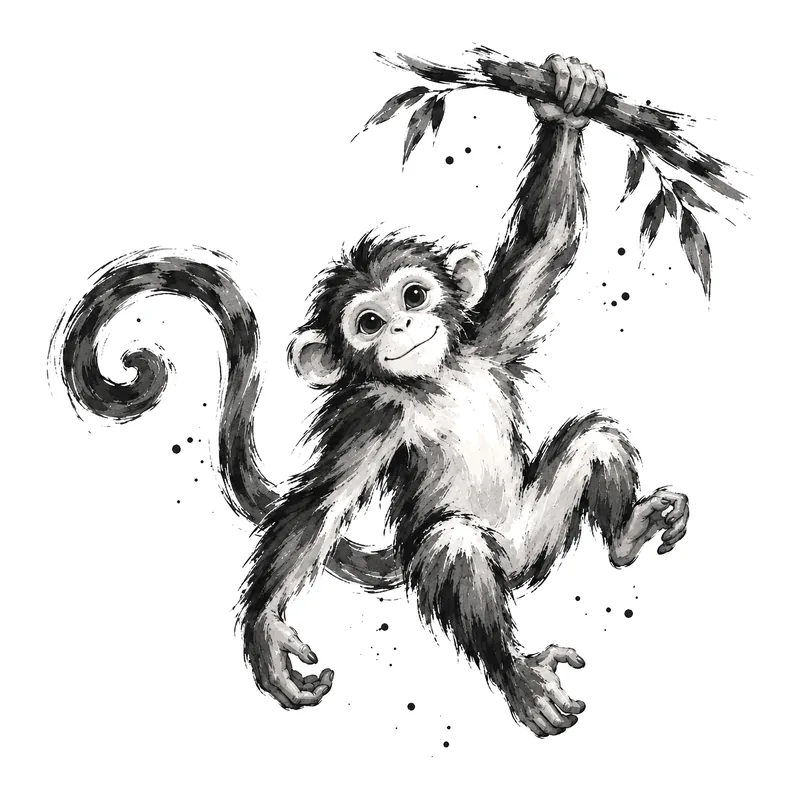 Monkey
- 冲 Clash · Tension
- 刑 Punishment of ingratitude · Tension
冲 Clash
A Clash (冲, chōng) joins two branches that stand opposite each other in the twelve-year circle, six years apart. Tradition sees them as pulling in different directions.
What the tradition says
Clashing signs are described as having opposite rhythms and priorities, which can bring friction but also movement and honesty. The pairs are Rat–Horse, Ox–Goat, Tiger–Monkey, Rabbit–Rooster, Dragon–Dog and Snake–Pig. Tradition speaks of tension to be handled, not of a relationship that cannot work.
Questions for reflection
- Where do your rhythms differ, and how do you meet in the middle?
- What can you learn from someone who sees things the opposite way?
- How do you disagree without turning it into a contest?
刑 Punishment
The Monkey punishes the Tiger, part of the three-sign punishment Tiger · Snake · Monkey.
A Punishment (刑, xíng) is the most varied of the tense relations. Tradition names four kinds, and a punishment on its own is not read as a bad sign, only as an area that asks for awareness.
What the tradition says
The ungrateful punishment links Tiger, Snake and Monkey; the bullying punishment Ox, Dog and Goat. Both run in one direction, from one sign to the next. The punishment of rudeness is mutual between Rat and Rabbit, and Dragon, Horse, Rooster and Pig punish themselves when two of the same sign meet. Two signs from a three-sign punishment are only part of it.
Questions for reflection
- Where could expectations turn into pressure between you?
- How do you show respect when you disagree?
Elements of the branches
Metal of the Monkey restrains Wood of the Tiger in the controlling cycle.
These traditional associations offer a starting point for reflection, not a definitive measure of how a relationship will go. Communication, trust and shared values matter far more than any pair of animals.
No percentage, no score: tradition describes harmony and tension, it does not measure them.