 Zodiazi
Chinese Calendar
Lunar months, the 24 solar terms and traditional festivals, calculated from the NASA/JPL ephemeris.
Today
21 October 2026
Day 12 of the 9th month
- Day in the 60-day cycle
- 戊辰
- Current solar term
- Cold Dew 寒露
- Next Chinese New Year
- 6 February 2027
Upcoming solar terms
- 23 Oct · Frost Descent 霜降
- 7 Nov · Start of Winter 立冬
- 22 Nov · Minor Snow 小雪
- 7 Dec · Major Snow 大雪
- 22 Dec · Winter Solstice 冬至
- 5 Jan · Minor Cold 小寒
Traditional festivals
- 22 Dec · Dongzhi Festival 冬至
- 6 Feb · Chinese New Year 春节
- 20 Feb · Lantern Festival 元宵节
- 5 Apr · Qingming Festival 清明节
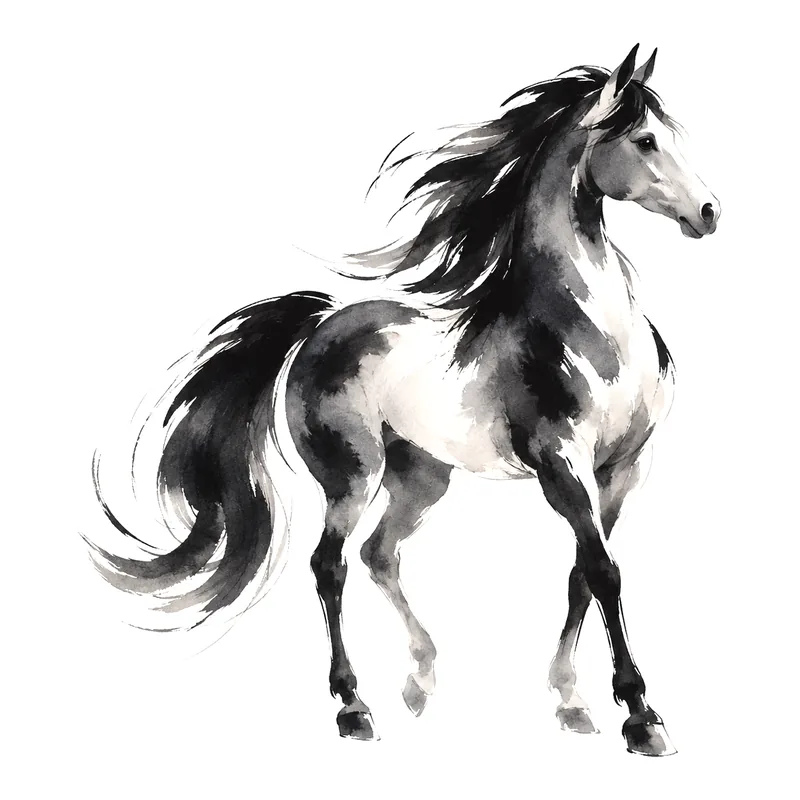
The current Chinese year
Year of the Fire Horse
丙午 · Year 43 of the 60-year cycle
- Element of the year
- Fire
- Yin / Yang
- Yang
- From
- 17 February 2026
- To
- 5 February 2027
Years
The traditional Chinese calendar is lunisolar: its months follow the Moon, while its year stays aligned with the Sun through the 24 solar terms and an occasional leap month.
Lunar months
Each month begins on the day of the new moon and lasts 29 or 30 days. Twelve lunar months are about eleven days shorter than a solar year, so roughly every third year receives a thirteenth, leap month.
The 24 solar terms
The solar terms (节气) divide the Sun's yearly path into 24 parts of 15 degrees each. They mark the seasons, solstices and equinoxes and decide which month is a leap month. Their dates stay close to the same days of the Gregorian calendar every year.
Chinese New Year and the Start of Spring (立春)
Chinese New Year starts the first lunar month, between 21 January and 20 February. The Start of Spring (立春) is a solar term around 4 February. The popular zodiac changes at New Year, while the year pillar of a BaZi chart changes at the Start of Spring (立春), so the two can differ for people born in late January or early February.